
Carrier AC warranty: hidden conditions buyers checklist
Carrier AC warranty 2026: understand the 5-year offer, hidden conditions, installation rules, exclusions, and buyer checks before purchasing in India.
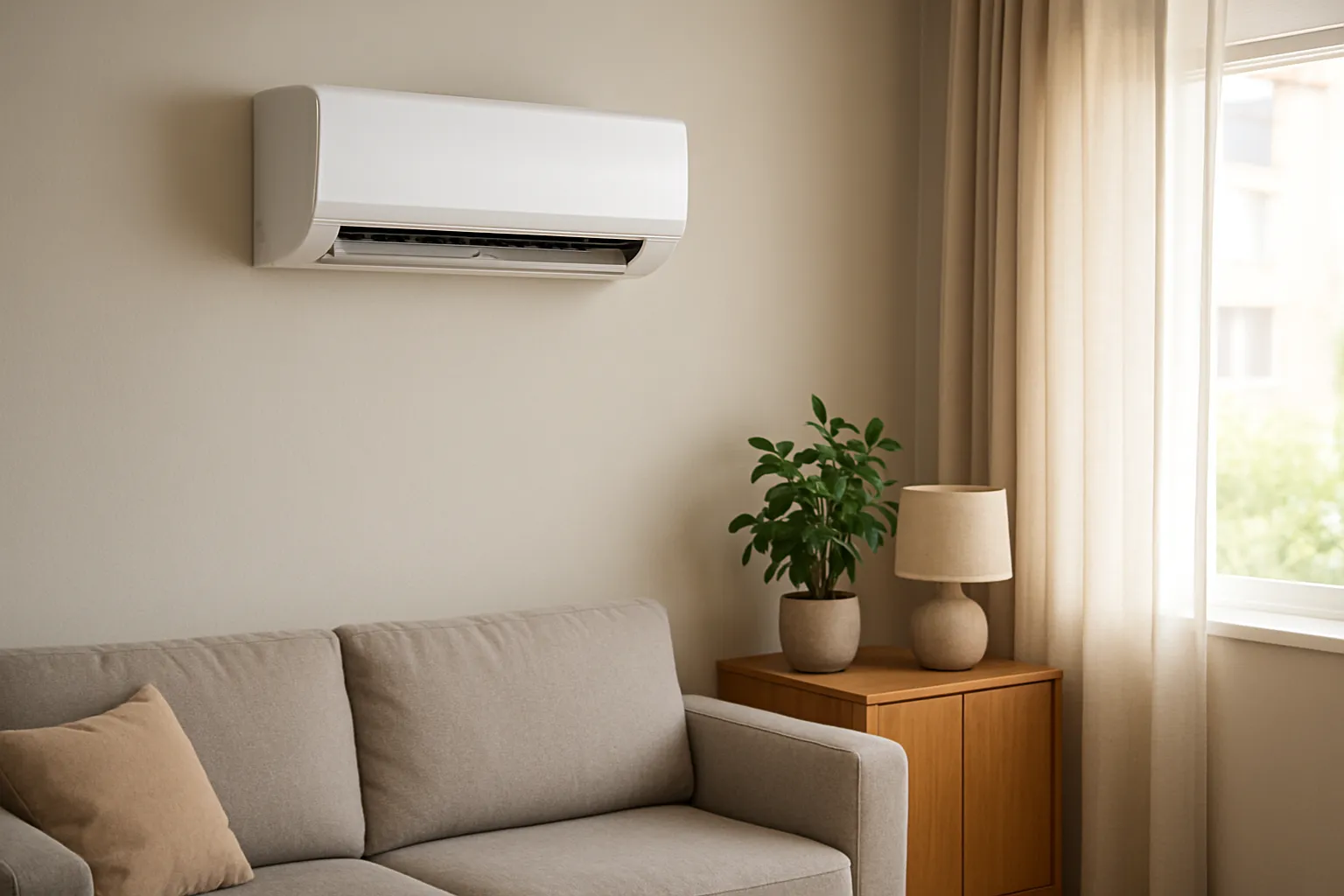
TL;DR: Carrier AC warranty offers can be useful, especially when they cover the compressor, PCB, and key functional parts for a longer period. But Indian buyers should not assume that “5-year warranty” means every repair is free for five years. Check the exact part covered, installation rules, service registration deadline, gas leakage terms, PCB coverage, labour charges, visit charges, and whether the offer applies to your chosen model and purchase channel.
Last updated: July 2026
Key takeaways
- A Carrier AC “5-year warranty” offer may apply only to selected models, selected parts, or purchases made during a specific promotional period.
- Standard AC warranty usually separates product warranty, compressor warranty, PCB warranty, and sometimes extended comprehensive warranty.
- Incorrect installation by a non-authorised technician can create warranty disputes, especially for gas leakage, copper pipe damage, drain issues, and outdoor unit faults.
- Invoice, serial number, installation report, warranty card, and brand registration proof are important documents—do not throw them away.
- Consumables and maintenance items such as filters, plastic parts, remote batteries, cleaning, drain blockage removal, and gas charging may not be covered unless clearly stated.
- For Indian homes, the real buying decision should combine warranty terms with BEE star rating, ISEER, local service availability, installation quality, and electricity cost.
Table of contents
- What the Carrier 5-Year Warranty Offer Usually Means
- Warranty Terms Buyers Should Read Before Paying
- Hidden Conditions That Can Lead to Claim Rejection
- Compressor, PCB, Gas Leakage and Labour: What May Be Covered
- Installation Rules That Matter in Indian Homes
- Cost Example: Warranty vs Electricity vs Service Spend
- Carrier AC Buyer Checklist for 2026
- How to Claim Warranty Without Delays
- Practical Next Steps
- Conclusion
What the Carrier 5-Year Warranty Offer Usually Means
When a showroom, e-commerce listing, or seasonal advertisement says “Carrier AC warranty 2026: 5-year offer”, the first thing to understand is that warranty wording can be narrower than it sounds. In India, AC brands often advertise extended warranty on selected components, not always full-machine coverage for the entire period.
A Carrier split AC or window AC may have different warranty layers. For example, a model may include one year of comprehensive product warranty, longer warranty on the compressor, and a separate warranty on the inverter PCB or controller board. Some promotional offers may extend comprehensive coverage for selected models, but the conditions can vary by purchase date, model series, dealer, city, and registration process.
This is why the phrase “5-year warranty” needs careful reading. It could mean:
- 5 years on compressor only
- 5 years on PCB only for inverter models
- 5 years extended comprehensive warranty for selected models
- 1 year comprehensive plus 4 years limited part warranty
- Promotional coverage available only after online registration
- Coverage linked to installation by an authorised service partner
For buyers comparing Carrier 1 ton, 1.5 ton, or 2 ton ACs in 2026, warranty should be checked along with BEE star rating, ISEER, cooling capacity, noise level, stabilizer requirement, outdoor unit placement, and service network in your city. A longer warranty is valuable only when it is easy to claim and covers expensive failure points.
Warranty Terms Buyers Should Read Before Paying
Before you buy a Carrier AC from a retail shop, marketplace, brand store, or electronics chain, ask for the warranty terms in writing. Do not rely only on a sales line printed in bold on a banner. The detailed warranty note usually mentions the exact model eligibility, coverage period, exclusions, and claim process.
Here are the terms to check line by line:
| Warranty point | What to ask before buying | Why it matters |
|---|---|---|
| Model eligibility | Is this exact model number covered under the 5-year offer? | Similar-looking models may have different warranty terms. |
| Coverage type | Is it comprehensive, compressor-only, PCB-only, or parts-only? | “5 years” does not automatically mean full free repair. |
| Purchase window | Is the offer valid on today’s invoice date? | Many offers are seasonal or festival-period based. |
| Registration deadline | Must the product be registered within 7, 15, or 30 days? | Missing registration may affect extended warranty. |
| Installation condition | Must installation be done by Carrier-authorised technicians? | Non-authorised installation can cause claim disputes. |
| Labour and visit charges | Are technician visit and labour free after year one? | Parts may be covered while service charges are payable. |
| Gas charging | Is refrigerant refilling covered after leakage? | Gas-related repairs can be expensive. |
| PCB coverage | Is inverter PCB included and for how many years? | PCB replacement is a major cost in inverter ACs. |
| Transferability | Does warranty continue if you shift house or sell the AC? | Useful for renters and people who relocate. |
Also check whether the warranty is linked to the indoor unit serial number, outdoor unit serial number, or both. In split ACs, both units matter. If there is a mismatch in documents, warranty service may take longer.
Hidden Conditions That Can Lead to Claim Rejection
A warranty claim is not rejected randomly, but many buyers face problems because they miss small conditions at the time of purchase and installation. For a carrier ac warranty hidden conditions buyers check, these are the most important points.
First, installation quality is critical. If the copper pipe is bent sharply, flare joints are poorly made, vacuuming is skipped, drain slope is wrong, or the outdoor unit is installed without proper airflow, the AC may fail early. If the brand service team later finds that the fault is due to installation damage or unauthorised modification, the claim may not be treated as a normal manufacturing defect.
Second, voltage conditions matter. Many Indian areas face voltage fluctuation, especially during peak summer evenings. If the AC manual recommends a stabilizer for your model or local voltage situation, ignoring it may create trouble. Some inverter ACs have operating voltage ranges, but that does not mean they can handle every spike, loose neutral, or faulty building wiring.
Third, maintenance neglect is a common issue. A badly clogged indoor filter, blocked drain pipe, corroded outdoor unit, or dust-packed condenser coil can reduce cooling and increase compressor stress. Warranty does not normally cover routine cleaning or damage caused by poor maintenance.
Fourth, physical damage is usually excluded. If the outdoor unit is damaged by construction work, pigeons, falling objects, waterlogging, balcony renovation, or accidental impact, it is generally not treated like a manufacturing fault.
Fifth, commercial usage can affect coverage. A residential AC used in a shop, cloud kitchen, small office, clinic, server room, paying guest property, or rental business may have different warranty treatment depending on the terms. If you are buying for non-home use, ask the dealer and brand support clearly before purchase.
Compressor, PCB, Gas Leakage and Labour: What May Be Covered
In an AC, not every component has the same replacement cost. The compressor and PCB are usually the big-ticket items. That is why buyers should focus less on the headline warranty number and more on what expensive components are protected.
Compressor warranty
The compressor is the heart of the cooling system. Many AC brands provide longer compressor warranty than the overall product warranty. In Carrier models, compressor warranty periods can differ by model and offer. If a compressor fails during the eligible warranty period due to a covered defect, the part may be covered. However, labour, transportation, gas charging, or other associated costs may or may not be included depending on terms.
PCB warranty
In inverter ACs, the PCB controls compressor speed and system operation. PCB failure can be costly. Some offers mention PCB warranty separately, especially for inverter split ACs. If you are buying a 1.5 ton 3-star or 5-star inverter model, ask whether the indoor PCB, outdoor PCB, or both are covered.
Gas leakage
Gas leakage is one of the most misunderstood warranty areas. If leakage is due to a manufacturing defect in a covered part, the brand may support the repair according to terms. But if leakage happens due to poor installation, damaged copper piping, accidental puncture, relocation, or corrosion due to environment, it may not be free. Also confirm whether refrigerant cost is included.
Labour and visit charges
Many buyers assume a covered part means zero cost. Not always. After the first year, some warranties cover only the part value. Technician visit charges, labour, gas refilling, brazing, copper replacement, stand replacement, and transport may still be payable. This is one of the biggest hidden conditions in AC warranty offers.
Installation Rules That Matter in Indian Homes
A good AC can perform badly if installed poorly. This is especially true in India, where ACs are installed across varied conditions: high-rise apartments, older homes with weak wiring, rented rooms, top-floor bedrooms, narrow balconies, and dusty roadside locations.
Before installation, decide the indoor and outdoor unit position carefully. The indoor unit should have clear airflow and a proper drain slope. Do not place it where curtains, wardrobes, false ceiling panels, or bed headboards block return air. The outdoor unit needs ventilation. If it is trapped in a closed balcony with hot air recirculation, cooling drops and power consumption rises.
For split ACs, copper piping length and height difference should stay within the brand’s recommended limit. Longer piping may need additional refrigerant and can affect performance. Ask the installer what length is included in standard installation and what extra copper, drain pipe, power cable, wall bracket, core cutting, and outdoor stand will cost.
Approximate installation extras in Indian cities can vary widely. As a rough range, extra copper pipe may cost ₹700–₹1,200 per metre, outdoor brackets may cost ₹800–₹1,800, drain pipe may cost ₹50–₹150 per metre, and core cutting may cost ₹500–₹1,500 depending on wall type and city. These figures are approximate and should be confirmed locally before installation.
Electrical safety is also important. A 1.5 ton inverter AC often needs a proper dedicated circuit, correct MCB rating, quality wiring, earthing, and a suitable socket or isolator. Do not run the AC on loose extension boards. If your building has old wiring, call a qualified electrician before installation.
Cost Example: Warranty vs Electricity vs Service Spend
Warranty is important, but it is only one part of the total AC cost. Over five years, electricity can cost more than the warranty value.
Consider a typical Indian bedroom using a 1.5 ton inverter AC for 8 hours per night during a 120-day summer season. Actual consumption depends on room size, insulation, outdoor temperature, star rating, set temperature, and usage pattern. But for a simple estimate, suppose the AC averages around 0.8 kWh per hour after the room stabilises.
- Daily usage: 8 hours × 0.8 kWh = 6.4 kWh
- Monthly usage for 30 days: 192 kWh
- At ₹8 per unit: about ₹1,536 per month
- For 4 summer months: about ₹6,144
- For 5 years of similar usage: about ₹30,720
If your tariff is ₹10 per unit or your AC runs longer during April–June, the number rises. If your room is shaded, well sealed, and you use 25–26°C with fan circulation, the consumption may be lower.
Now compare this with service and repair costs. A normal paid AC wet service may cost roughly ₹500–₹1,500 depending on city and brand terms. Gas charging, leak repair, PCB replacement, fan motor replacement, or compressor work can cost much more. This is why extended warranty on expensive parts can be useful, but only if the claim terms are practical.
For a buyer choosing between a cheaper non-inverter AC and a higher-priced inverter model with better warranty, the decision should be based on daily runtime. If you use AC only for 1–2 hours occasionally, a lower upfront price may matter more. If you run it 7–10 hours daily in peak summer, BEE star rating, ISEER, inverter performance, and warranty support become more important.
Carrier AC Buyer Checklist for 2026
Use this checklist at the shop or while buying online. Take screenshots of the offer page and save the invoice PDF.
| Buyer check | Good sign | Red flag |
|---|---|---|
| Exact model number | Warranty terms mention the same model code | Dealer says “all models same warranty” without proof |
| Invoice clarity | Invoice shows brand, model, serial number, GST details | Handwritten or incomplete bill |
| Offer proof | 5-year offer shown on official page, brochure, or dealer document | Only verbal promise by salesperson |
| Installation booking | Installation through authorised channel | Local mechanic installed without documentation |
| Warranty registration | SMS, email, app, or website confirmation saved | No registration proof after purchase |
| Compressor coverage | Years and conditions clearly stated | “Long warranty” but no part name mentioned |
| PCB coverage | Indoor/outdoor PCB coverage clarified | PCB excluded or unclear |
| Labour charges | Written clarity after first year | Buyer assumes everything is free |
| Gas leakage terms | Clear condition for manufacturing defect vs installation issue | No clarity on refrigerant cost |
| Service availability | Brand service exists in your pincode | Long waiting time or weak local support |
Also match tonnage correctly. A small 100–120 sq ft shaded bedroom may work with around 1 ton in many conditions, while a 140–180 sq ft room often needs around 1.5 ton. Top-floor rooms, west-facing walls, large windows, poor insulation, and high occupancy can increase the load. Do not buy a 2 ton AC for a small room just because the price difference looks small; oversizing can cause short cycling, humidity discomfort, and unnecessary cost.
For star rating, compare current BEE label details. A 5-star inverter AC usually costs more upfront than a 3-star model, but it may save electricity in long daily usage. In short-use guest rooms, the payback may be slower. Check ISEER values rather than depending only on “power saving” marketing words.
How to Claim Warranty Without Delays
If your Carrier AC develops a fault, avoid opening the unit yourself or calling a random technician during the warranty period. This can complicate the claim, especially for compressor, PCB, and gas leakage cases.
Follow a clean process:
- Note the model number and serial number from the indoor and outdoor unit.
- Keep the invoice, warranty card, installation report, and registration confirmation ready.
- Contact official Carrier customer support or the authorised service channel mentioned in your documents.
- Explain the fault clearly: no cooling, water leakage, error code, tripping MCB, unusual noise, remote not working, or outdoor unit not starting.
- Ask for a complaint number and save it.
- Do not approve paid replacement before asking whether the part is under warranty.
- If the technician says the issue is outside warranty, request the reason in writing or on the service job sheet.
For online purchases, keep the order confirmation and tax invoice separately. Marketplace order pages may become difficult to access later, so download the invoice immediately.
If you shift homes, use authorised relocation services where possible. AC dismantling and reinstallation involve refrigerant handling, copper pipe joints, vacuuming, wiring, and drain alignment. A poor relocation job can create leakage and future warranty problems.
Practical Next Steps
Before buying a Carrier AC under a 5-year warranty offer, do these five things:
- Shortlist by room need first: Choose tonnage based on room size, sun exposure, floor level, insulation, and usage hours.
- Check the exact warranty document: Confirm whether the 5-year offer covers the whole unit, compressor, PCB, or selected parts.
- Verify installation terms: Book installation through the authorised route and keep the installation job sheet.
- Estimate running cost: Use your local tariff, likely hours of use, BEE star rating, and ISEER to estimate monthly electricity spend.
- Save every document: Invoice, screenshots, warranty registration, serial number photo, and service complaint numbers should be stored in one folder.
If you are buying during a summer sale or festival offer, do not rush only because of a countdown timer. Warranty value depends on clear written terms, not the size of the banner.
Conclusion
Carrier AC warranty offers in 2026 can be genuinely useful for Indian buyers, especially when they protect expensive parts like the compressor and PCB. But the real value depends on the fine print. A “5-year offer” should be checked for model eligibility, registration rules, installation conditions, labour charges, gas leakage terms, and local service availability.
Buy the AC that fits your room, usage hours, electricity tariff, and service support—not just the one with the loudest warranty claim. If you verify the hidden conditions before payment, you are far less likely to face surprise costs later.
About the author
AC Kharcha Team — research-focused AC guides for India. We study AC buying costs, electricity usage, installation practices, warranty terms, and maintenance issues to help Indian households make better cooling decisions.
Frequently asked questions
Does Carrier AC 5-year warranty mean all repairs are free for five years?
Not always. The 5-year offer may apply to selected parts such as the compressor or PCB, or to selected models only. Labour, visit charges, gas charging, installation-related issues, and consumables may be excluded unless the warranty document clearly includes them.
What documents should I keep for a Carrier AC warranty claim?
Keep the tax invoice, warranty card, product registration confirmation, indoor and outdoor unit serial numbers, installation report, and any offer screenshot or brochure. These documents help prove purchase date, model eligibility, and installation details.
Can Carrier reject warranty if my AC is installed by a local technician?
Warranty disputes can happen if a fault is linked to unauthorised or incorrect installation. For safer coverage, book installation through the authorised service route and keep the job sheet or installation confirmation.
Is gas leakage covered under Carrier AC warranty?
It depends on the cause and the exact warranty terms. Leakage due to a covered manufacturing defect may be treated differently from leakage caused by poor installation, damaged copper pipe, relocation, corrosion, or accidental damage. Confirm refrigerant and labour coverage before buying.
Is PCB warranty important for inverter Carrier ACs?
Yes. Inverter ACs use electronic control boards that can be expensive to replace. Buyers should ask whether the indoor PCB, outdoor PCB, or both are covered, and for how many years.
Should I buy a Carrier AC only because it has a 5-year offer?
No. Check room tonnage, BEE star rating, ISEER, local service availability, installation cost, electricity tariff, and warranty conditions together. A long warranty is useful only when the model suits your home and the terms are clear.
Are AC installation extras included in warranty?
Usually no. Items such as extra copper pipe, outdoor stand, drain pipe, core cutting, electrical wiring, stabilizer, and relocation are generally separate costs. Confirm the standard installation scope before paying.
Last updated: 07 Sep, 2026 · Verified by editorial team
About the author
AC Kharcha Editorial Team
AC research & buying guides · India · We research air conditioners, electricity costs, and home cooling practices across Indian climates, then publish practical guides so households can buy and run ACs more confidently.
View all articles →Share this guide
Was this article helpful?
Related posts
 How to buy an AC in India: tonnage, BEE stars, inverter
Blue Star Window AC 2026: Bharabarir Guide for Indian Homes
A practical 2026 guide to choosing, installing and running a Blue Star window AC in Indian homes, with cost examples, sizing tips and maintenance advice.
 How to buy an AC in India: tonnage, BEE stars, inverter
4-Star Inverter ACs 2026: Panasonic vs Samsung under ₹45k
4-Star Inverter ACs 2026: Panasonic vs Samsung under ₹45k — a practical India-focused guide to features, running costs, installation, and buying decisions.
 How to buy an AC in India: tonnage, BEE stars, inverter
BIS IS 1391:2023 AC Rule 2026: June Checklist
BIS IS 1391:2023 AC Rule 2026: June checklist — what Indian buyers should verify on room AC labels, star ratings, model details, installation, and running costs before purchase.