
Carrier CAI18EE5R36F0 review (2026): ₹47k 5-star split AC
Carrier CAI18EE5R36F0 Review 2026: a practical look at this approximate ₹47k 5-star split AC for Indian homes, including cooling fit, running cost, installation checks and who should buy it.
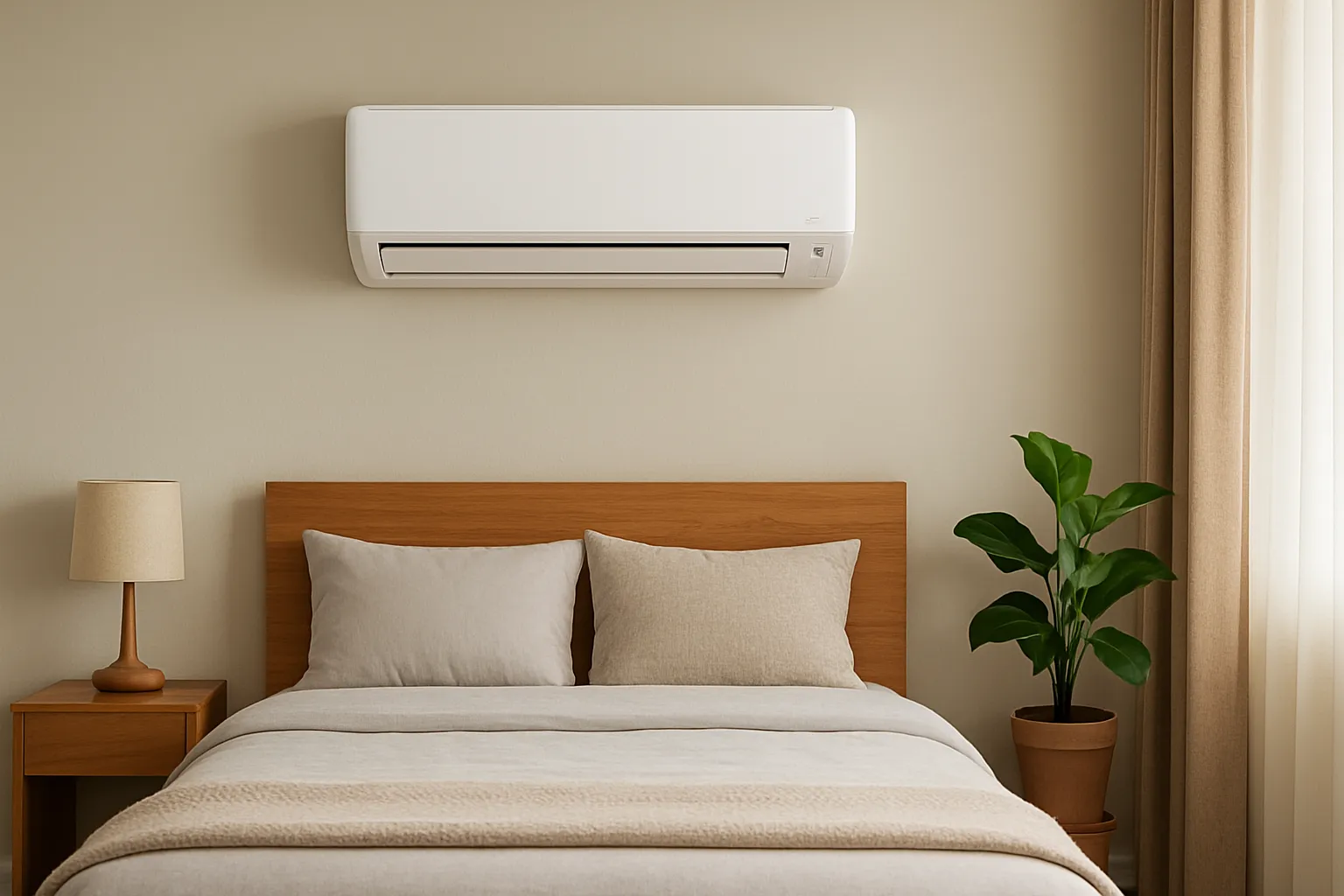
Carrier CAI18EE5R36F0 review (2026): ₹47k 5-star split AC
TL;DR: The Carrier CAI18EE5R36F0 is worth considering if you want a 1.5-ton class, 5-star split AC for regular summer use and your budget is around ₹47,000 before installation extras. Its main appeal is energy efficiency for bedrooms and medium living rooms, but the final value depends on your room heat load, local installation quality, warranty terms, and electricity tariff.
Last updated: July 2026
Key takeaways
- The Carrier CAI18EE5R36F0 is best judged as a long-term running-cost purchase, not just a one-day discount buy.
- A 5-star AC makes the most sense when you run cooling for several hours daily during summer or humid months.
- The approximate ₹47k price can change sharply by city, sale period, installation bundle, payment offer, and stock availability.
- Check the latest BEE label, ISEER, warranty card, refrigerant details, and copper pipe inclusions before payment.
- For Indian homes, correct installation, drain slope, outdoor unit airflow, and voltage protection matter as much as the AC specification sheet.
- This model is most suitable for typical 120–180 sq ft rooms, depending on ceiling height, sunlight, floor level, and occupancy.
Table of contents
- What is the Carrier CAI18EE5R36F0?
- Price in India and what the ₹47k tag may not include
- Room size suitability: who should buy this AC?
- Electricity bill estimate for Indian homes
- Features that matter on this Carrier model
- Installation checks before you confirm the order
- Carrier CAI18EE5R36F0 vs alternatives
- Maintenance, service and ownership tips
- Practical next steps
- Conclusion
What is the Carrier CAI18EE5R36F0?
The Carrier CAI18EE5R36F0 is generally searched as a 5-star split air conditioner in the 1.5-ton segment. The “18” in many AC model names commonly points towards the 1.5-ton cooling class, but buyers should still verify the exact capacity printed on the current product label and invoice because online listings can vary by year, seller, and bundled SKU.
In plain language, this is not a budget-first AC. It is aimed at buyers who are ready to spend more upfront for better efficiency. In India, that matters because many households run ACs for 6–10 hours at night, and in hot cities such as Delhi NCR, Jaipur, Ahmedabad, Lucknow, Nagpur, Hyderabad, Chennai, and Kolkata, the cooling season can stretch beyond the obvious peak months.
A 5-star rating does not mean the AC will make the room cold for free. It means the unit is designed to deliver more cooling per unit of electricity compared with lower-rated models under BEE test conditions. Your actual bill will still depend on outdoor temperature, room leakage, thermostat setting, compressor load, filter condition, and tariff slab.
The key question in this carrier cai18ee5r36f0 review is simple: does paying around ₹47k make sense for your usage? For a room used only occasionally, a lower-priced 3-star AC may be enough. For a bedroom used every summer night, a 5-star model can be the more sensible ownership choice.
Price in India and what the ₹47k tag may not include
The commonly seen price expectation for this model is around ₹47,000, but treat this as approximate. AC prices in India change with season, platform sale events, card discounts, local dealer margins, installation offers, and whether the model is from fresh 2026 stock or older inventory.
Before comparing prices, ask what is included. Many buyers see a product price and later discover extra charges during installation. These charges are not always wrong, but they should be known upfront.
| Cost item | Typical situation in India | What to verify before buying |
|---|---|---|
| AC unit price | Around ₹47k may be seen during offers | Confirm final invoice price after bank discounts and delivery charges |
| Standard installation | Sometimes free, sometimes chargeable | Ask whether brand installation or seller installation is included |
| Copper pipe | Limited length may be included or charged separately | Check included metres and per-metre extra cost |
| Outdoor stand | Usually extra for wall mounting | Confirm stand price and quality of brackets |
| Drain pipe | Often included for short length | Check if longer drainage needs extra payment |
| Electrical work | Usually not included | Budget for MCB, plug point, wiring, earthing if needed |
| Stabilizer | May be optional depending on voltage conditions | Ask Carrier/service technician based on your local supply |
| Old AC removal | Usually extra | Confirm dismantling and disposal charges |
For a realistic budget, keep a buffer of ₹2,000–₹6,000 above the online product price if your installation is not straightforward. Homes with long indoor-to-outdoor distance, balcony restrictions, high-rise access, or weak electrical points may need more spending.
Also check the GST invoice and serial number. If you are buying from a marketplace, make sure the seller is authorised or at least has clear return, installation, and warranty support terms. A slightly cheaper deal is not attractive if warranty registration becomes painful.
Room size suitability: who should buy this AC?
A 1.5-ton 5-star split AC like the Carrier CAI18EE5R36F0 is usually considered for medium-sized Indian rooms. But square feet alone is not enough. A 150 sq ft room on the top floor in Jaipur with west-facing glass can behave like a much larger heat load. A 170 sq ft shaded bedroom in Bengaluru may be easier to cool.
Use this practical fit guide:
| Room condition | Likely suitability of 1.5-ton class | Notes |
|---|---|---|
| 110–130 sq ft bedroom, low sunlight | Very suitable | May cool quickly; use eco/sleep mode if available |
| 130–160 sq ft bedroom or study | Suitable | Good match for many Indian flats |
| 160–180 sq ft living room | Conditionally suitable | Works better with curtains, sealed doors, and moderate occupancy |
| Top-floor room with direct afternoon sun | May need careful assessment | Consider insulation, curtains, or higher capacity if heat load is severe |
| Open living-dining area above 200 sq ft | Usually not ideal | Cooling may feel uneven and compressor may run hard |
| Room with frequent door opening | Efficiency drops | AC will struggle to maintain temperature |
This model is most logical for bedrooms, home offices, and compact living rooms where doors can be closed. If you plan to cool a combined hall plus kitchen or a large open-plan apartment area, do not depend only on tonnage written in the listing. Ask for a site evaluation or compare with a 2-ton option.
For renters, also consider whether the outdoor unit can be placed safely and whether the landlord permits wall drilling. A 5-star AC is a good investment only if the installation is stable and you can use it for enough seasons.
Electricity bill estimate for Indian homes
The strongest reason to look at a 5-star AC is running cost. However, no online review can promise a fixed monthly bill because Indian electricity tariffs vary widely. Some households pay around ₹6 per unit, while others cross ₹9–₹12 per unit in higher slabs after taxes and fixed charges.
A simplified bill method is:
Estimated monthly units = average input power in kW × daily hours × number of days
Inverter ACs do not run at full rated power all the time. After the room reaches the set temperature, the compressor reduces speed. But during very hot afternoons or in poorly insulated rooms, power draw can remain high for longer.
Example estimate for a 1.5-ton 5-star inverter AC:
| Usage pattern | Assumed average draw | Monthly units for 30 days | Bill at ₹8/unit | Bill at ₹10/unit |
|---|---|---|---|---|
| Light use: 4 hours/day | 0.75 kW | 90 units | ₹720 | ₹900 |
| Night use: 8 hours/day | 0.70 kW | 168 units | ₹1,344 | ₹1,680 |
| Heavy use: 12 hours/day | 0.85 kW | 306 units | ₹2,448 | ₹3,060 |
These are only working examples, not guaranteed figures. Your actual bill may be higher if you set 18°C, have strong sunlight, dirty filters, frequent door opening, or poor voltage. It may be lower in mild weather, shaded rooms, or when the AC spends more time at reduced compressor speed.
For most Indian homes, a comfortable and efficient setting is 24–26°C with ceiling fan support at low or medium speed. Setting the AC to 18°C does not magically cool the room faster in a healthy way for the machine; it mainly forces the compressor to work longer. If the room is hot when you enter, use turbo mode briefly if available, then return to 24–26°C.
Features that matter on this Carrier model
When checking the Carrier CAI18EE5R36F0 product page or dealer sheet, focus on measurable details rather than decorative feature names. Different batches and sales channels can present feature wording differently, so verify the latest official specifications.
Important checks include:
- BEE star rating and ISEER: Confirm the 5-star label for the current year range. BEE ratings are periodically revised, so old and new stock may not be identical.
- Cooling capacity: Ensure it matches the 1.5-ton class you expect. Check rated cooling capacity in watts if available.
- Inverter compressor: A variable-speed compressor is valuable for long daily use because it can reduce power draw after cooling stabilises.
- Refrigerant: Modern ACs commonly use lower-impact refrigerants such as R32, but confirm from the sticker and manual.
- Condenser material: Copper condensers are preferred by many Indian buyers for repairability and heat transfer, but coil protection and installation quality also matter.
- Warranty: Check comprehensive warranty, compressor warranty, PCB warranty if applicable, and what labour or visit charges apply after the first year.
- Noise levels: Bedrooms need quieter indoor operation. Look for dB figures, but also read the manual because fan speed affects noise.
- Air filtration: Basic dust filters are useful, especially in Indian cities with construction dust. Do not overpay only for filter names unless replacements are available.
- Convertible modes: If present, capacity control modes can help in smaller rooms or mild weather, but they are not a substitute for correct tonnage selection.
Carrier is an established AC brand, but brand reputation alone should not close the purchase. Service quality varies by city and even by locality. Before buying, check whether Carrier service coverage is prompt in your area, especially if you live outside major metros.
Installation checks before you confirm the order
A good AC can perform badly after a poor installation. In India, many complaints about water leakage, low cooling, vibration, and repeated gas filling start with rushed installation.
Use this pre-installation checklist:
| Checkpoint | Why it matters | What you should ask |
|---|---|---|
| Indoor unit height | Affects air throw and service access | Will the unit have clear return air and easy filter access? |
| Outdoor unit ventilation | Prevents overheating and efficiency loss | Is there enough open space around the outdoor unit? |
| Pipe length | Impacts cooling and cost | How many metres are included and how much is extra? |
| Vacuum process | Removes moisture and air from lines | Will the technician use a vacuum pump before releasing gas? |
| Drain slope | Prevents indoor water leakage | Is the drain path downward without bends or blockage? |
| Electrical safety | Protects PCB and compressor | Is there proper earthing, MCB, and correct wire gauge? |
| Wall strength | Prevents vibration and risk | Can the wall safely hold the indoor and outdoor units? |
| Warranty documentation | Needed for future claims | Will installation be recorded with serial number and invoice? |
Do not hesitate to ask the technician about vacuuming the copper lines. Skipping vacuuming is a common shortcut. It may not show a problem on day one, but moisture inside the system can reduce long-term reliability.
If your area has voltage fluctuation, discuss stabilizer requirements. Some modern inverter ACs have operating voltage ranges, but that does not mean every Indian supply condition is safe. Frequent low voltage, sudden spikes, or weak earthing can damage electronics.
Carrier CAI18EE5R36F0 vs alternatives
The best alternative depends on whether your priority is lowest purchase price, lowest running cost, or strongest local service. Instead of comparing only model names, compare the role each AC will play in your home.
| Option | Upfront cost | Running cost | Best for | Trade-off |
|---|---|---|---|---|
| Carrier CAI18EE5R36F0 5-star | Higher, around ₹47k approximate | Lower for regular use | Bedrooms used nightly, long summer runtime | Needs higher initial budget |
| 1.5-ton 3-star inverter AC | Moderate | Moderate | Mixed usage, budget-conscious buyers | Higher bill than 5-star in heavy use |
| 1.5-ton fixed-speed AC | Often lower | Usually higher | Occasional cooling, guest room | More temperature fluctuation and power use |
| 2-ton 3-star inverter AC | Higher | Depends on load | Larger rooms or top-floor hot rooms | May be unnecessary for medium bedrooms |
| Premium 5-star models from other brands | Similar or higher | Similar category | Buyers comparing service, noise, features | Brand/service varies by city |
If your AC use is below 2–3 hours a day for only a few weeks, the payback of a 5-star model may be slow. If you use the AC every night from April to September, the 5-star rating becomes more meaningful. For WFH users in hot cities, efficiency is even more important because afternoon cooling can consume more electricity than night use.
Also compare warranty terms carefully. A model with slightly lower price but weaker PCB coverage may not be the better buy for an inverter AC, because electronic repairs can be expensive outside warranty.
Maintenance, service and ownership tips
To keep the Carrier CAI18EE5R36F0 efficient, you need regular basic care. This is especially true in Indian conditions where dust, pollution, cooking fumes, pet hair, and construction debris clog filters quickly.
Follow these practical habits:
- Clean filters every 2–4 weeks in summer. If your home is near a main road or construction site, clean more often.
- Keep the outdoor unit clear. Do not cover it tightly while running. Remove leaves, plastic, and dust around the coil area.
- Use curtains or blinds. Reducing direct sunlight can cut cooling load more effectively than chasing very low thermostat settings.
- Seal air leakage. Door gaps, open ventilators, and unsealed windows make the compressor work longer.
- Schedule pre-season service. March or early April is better than waiting for peak May when technicians are overloaded.
- Watch for early warning signs. Ice on pipes, water dripping indoors, burning smell, unusual vibration, or sudden bill increase should be checked promptly.
- Avoid repeated on-off switching. Let the inverter system regulate itself unless you are leaving the room for a long period.
- Maintain documentation. Keep invoice, warranty card, installation report, and service receipts together.
Gas leakage is not normal annual maintenance. If a technician says gas must be topped up every year, ask them to identify and fix the leak instead of only refilling. A sealed system should not lose refrigerant routinely.
Practical next steps
If you are seriously considering this model, take these steps before checkout:
- Measure the room length, width, and ceiling height.
- Note whether the room is top-floor, west-facing, or has large glass windows.
- Estimate daily usage hours for peak summer and monsoon humidity months.
- Check your electricity tariff slab from the latest bill.
- Compare the Carrier CAI18EE5R36F0 with at least two 1.5-ton 5-star inverter models from other brands.
- Confirm the latest BEE label, ISEER, warranty, condenser details, and included accessories.
- Ask the seller for a complete installed-cost estimate, not only the AC box price.
- Confirm brand service availability in your PIN code.
- Ensure proper electrical point, earthing, MCB, and outdoor unit placement before the technician arrives.
- After installation, test cooling, water drainage, remote functions, and noise before signing completion.
Conclusion
The Carrier CAI18EE5R36F0 is a sensible shortlist option for Indian buyers who want a 5-star AC around the ₹47k range and expect regular summer use. Its value is strongest in medium rooms where the AC runs for long hours and the higher upfront price can be balanced by lower electricity consumption over time.
Do not buy it only because of the star label or brand name. Buy it if the tonnage suits your room, the final installed cost is acceptable, the warranty terms are clear, and Carrier service is reliable in your locality. With correct installation and simple maintenance, a 5-star inverter AC can deliver better comfort per rupee across several Indian summers.
About the author
AC Kharcha Team — research-focused AC guides for India. We study air conditioner specifications, electricity cost patterns, installation practices, and ownership issues that matter to Indian households, so readers can make clearer cooling decisions before spending their money.
Frequently asked questions
Is the Carrier CAI18EE5R36F0 good for a bedroom?
Yes, it can be a good choice for many Indian bedrooms in the 120–180 sq ft range, depending on sunlight, floor level, insulation and occupancy. For a very hot top-floor room or a large open space, get the heat load checked before buying.
Is the ₹47k price for Carrier CAI18EE5R36F0 exact?
No. Treat ₹47,000 as an approximate market reference. The final price can change by city, seller, season, bank offer, installation package and stock year. Always verify the invoice price and included accessories before payment.
How much electricity can this 5-star AC use per month?
Monthly use depends on hours, tariff, temperature setting and room heat load. As a rough example, 8 hours daily at an average 0.70 kW draw may use about 168 units in 30 days. At ₹8–₹10 per unit, that is around ₹1,344–₹1,680, excluding fixed charges and taxes.
Should I choose a 5-star AC or a cheaper 3-star AC?
Choose a 5-star AC if you run cooling for long hours through summer, especially in a bedroom or work-from-home room. A 3-star AC may be enough for occasional use where the lower purchase price matters more than long-term electricity savings.
Does the Carrier CAI18EE5R36F0 need a stabilizer?
It depends on your local voltage condition and the model’s specified operating voltage range. Many inverter ACs tolerate a range, but areas with frequent fluctuation, weak earthing or spikes may still need extra protection. Ask the authorised installer or a qualified electrician.
What should I check during installation?
Check indoor and outdoor placement, copper pipe length, vacuum pump use, drain slope, earthing, MCB, wall bracket quality and warranty registration. Poor installation can cause water leakage, low cooling, vibration and long-term reliability issues.
How often should I service this AC?
Clean the filters every 2–4 weeks during heavy use and book professional service before peak summer. Dusty cities or homes near construction may need more frequent cleaning. If cooling drops suddenly, get the unit inspected instead of waiting for the next season.
Last updated: 06 Sep, 2026 · Verified by editorial team
About the author
AC Kharcha Editorial Team
AC research & buying guides · India · We research air conditioners, electricity costs, and home cooling practices across Indian climates, then publish practical guides so households can buy and run ACs more confidently.
View all articles →Share this guide
Was this article helpful?
Related posts
 AC model reviews for Indian heat and tariffs
Whirlpool SAI17P56DET0 2026 Review: 5-Star AC for Dusty Tier-2 Homes?
A practical India-focused review of Whirlpool SAI17P56DET0 2026 for dusty Tier-2 and Tier-3 homes. See specs, likely bills, installation costs, and service fit.
 AC model reviews for Indian heat and tariffs
Samsung AR60H18D15W review: WindFree 5-star for Delhi heat
A practical 2026 review of Samsung AR60H18D15W for Delhi NCR homes, with verified specs, price context, bill math, and buying advice.
 AC model reviews for Indian heat and tariffs
Lloyd Stunnair GLS19V5ASOQZ 2026 Review: Is This ₹69k Air-Purifier AC Worth It?
A practical 2026 buyer guide to the Lloyd Stunnair GLS19V5ASOQZ 1.5 ton 5-star smart AC with built-in air purifier, Wi-Fi, voice control and premium pricing.